

Every general practice in Western Sydney can take action on diabetes today: identify people at risk earlier, use practice data to find patients who may be slipping through the cracks, and bring the whole care team around them before diabetes and its complications progress.
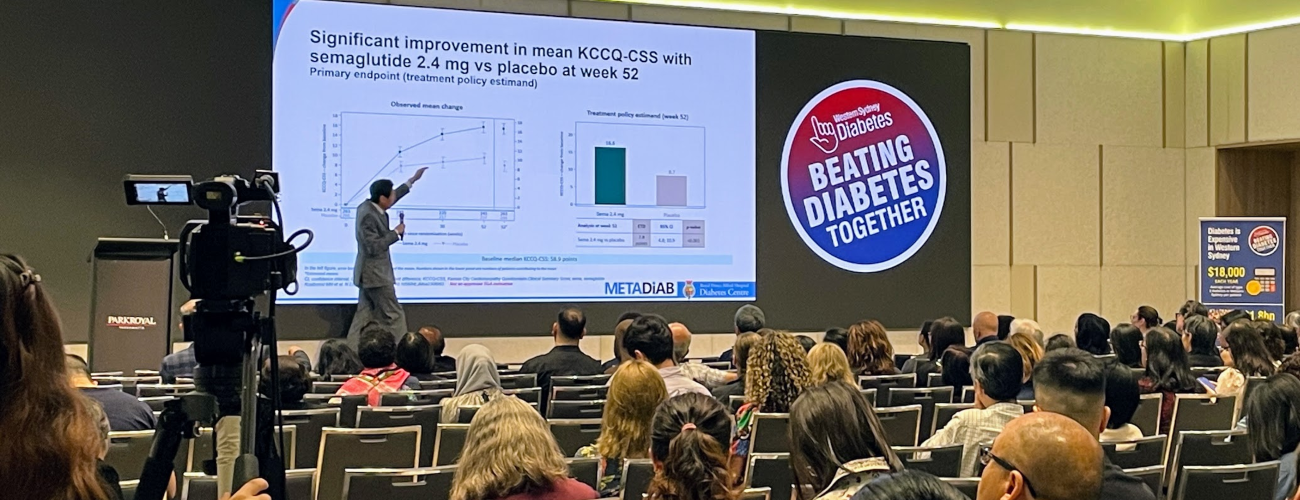
That was the call to action at the 2026 Western Sydney Diabetes Masterclass, Beyond Glucose, held in Parramatta on 7 November.
The need for action is growing. Across NSW, 8.4% of adults reported living with type 1 or type 2 diabetes in 2025, up from 5.6% in 2006. The burden is also greater in disadvantaged communities, where 11% of adults reported diabetes compared with 6% in the least disadvantaged areas. [1]
For Western Sydney, the message is clear: act earlier and act together.
The Masterclass brought around 400 GPs, practice nurses, diabetes educators, pharmacists, allied health professionals and specialists together to explore how the latest evidence can translate into practical action for patients.
A united response for Western Sydney
Opening the Masterclass, WentWest Chief Executive Andrew Newton highlighted the importance of identifying risk earlier and the central role general practice can play in supporting people before diabetes and its complications progress.
But general practice cannot tackle the challenge alone.
For more than 12 years, WentWest, Western Sydney Local Health District and Western Sydney Diabetes have worked together to connect primary care, specialist services, hospitals and community-based care around a shared goal: improving diabetes prevention, detection and management across Western Sydney.
That joined-up approach matters because diabetes affects far more than blood glucose. Over time, it can contribute to serious complications including heart disease, stroke and kidney disease. [1]
The opportunity is to intervene earlier, before those complications occur.
Beyond glucose: what clinicians can do now
This year’s program reflected how quickly diabetes care is changing, but also kept the focus firmly on what clinicians can do differently in everyday practice.
Sessions covered emerging medications and obesity management, continuous glucose monitoring and digital care, cardiovascular and kidney protection, specialist support in general practice, culturally responsive care, nutrition and building high-performing diabetes programs within general practice.
Keynote speaker Professor Ted Wu, Director of the Royal Prince Alfred Hospital Diabetes Centre, explored the rapidly changing role of GLP-1 therapies and what new developments mean for clinicians managing diabetes.
But one of the strongest themes of the day went beyond any individual medication or treatment: use the strength of the whole practice team.
GPs, nurses, pharmacists, allied health professionals, diabetes educators and specialists all have a role in identifying risk, intervening earlier and providing coordinated support.
Turning practice data into action
One of the most immediate opportunities is already sitting inside general practice: patient data.
WentWest’s whole-of-practice presentation explored practical steps practices can take now, including:
- identifying patients with elevated HbA1c
- finding people who may be at risk of diabetes or prediabetes
- proactively recalling patients who need review
- strengthening chronic condition management
- setting clear goals and responsibilities across the practice team
- connecting people earlier with education, allied health, prevention programs and specialist support.
The Western Sydney Diabetes Dashboard builds on this approach by enabling the diabetes team to work with practices to understand their diabetes population, identify gaps and opportunities, and use the results to drive ongoing quality improvement.
It shifts the focus from waiting for a patient to present with worsening disease to actively finding opportunities to intervene earlier.
Bringing the health system around the patient
While general practice sits at the centre of prevention, early detection and ongoing care, better diabetes outcomes depend on what happens around it.
The Masterclass demonstrated what can happen when Western Sydney’s GPs, practice nurses, specialists, pharmacists, allied health professionals, hospitals and community services come together around the same challenge.
Rather than individual parts of the system working in isolation, the goal is to create stronger connections around patients: identifying risk in general practice, accessing specialist advice earlier, connecting people with the right services and supporting them to manage their health over the long term.
Building capability across Western Sydney
The face-to-face event is part of a much broader education effort.
More than 900 healthcare professionals registered for the Western Sydney Diabetes Masterclass Series in 2026, connecting primary care teams with specialist expertise, emerging evidence and practical resources.
That collective capability will be increasingly important. Diabetes prevalence across NSW has grown over the past two decades, and its disproportionate impact on disadvantaged communities reinforces the need for prevention and early intervention. [1]
The Masterclass showed that the response does not have to start with something complicated.
Look at the data. Find people at risk. Intervene earlier. Use the whole practice team. Connect patients with the support around them.
These are actions practices can take now.
And when general practice, hospitals, specialists, allied health professionals and community services take those actions together, Western Sydney has a much greater opportunity to change the trajectory of diabetes across the region.
To find out more about the Western Sydney Diabetes Dashboard and other diabetes services for general practice, visit the WentWest Diabetes page, where you can also catch up on the Masterclass series on demand.
Sources: