

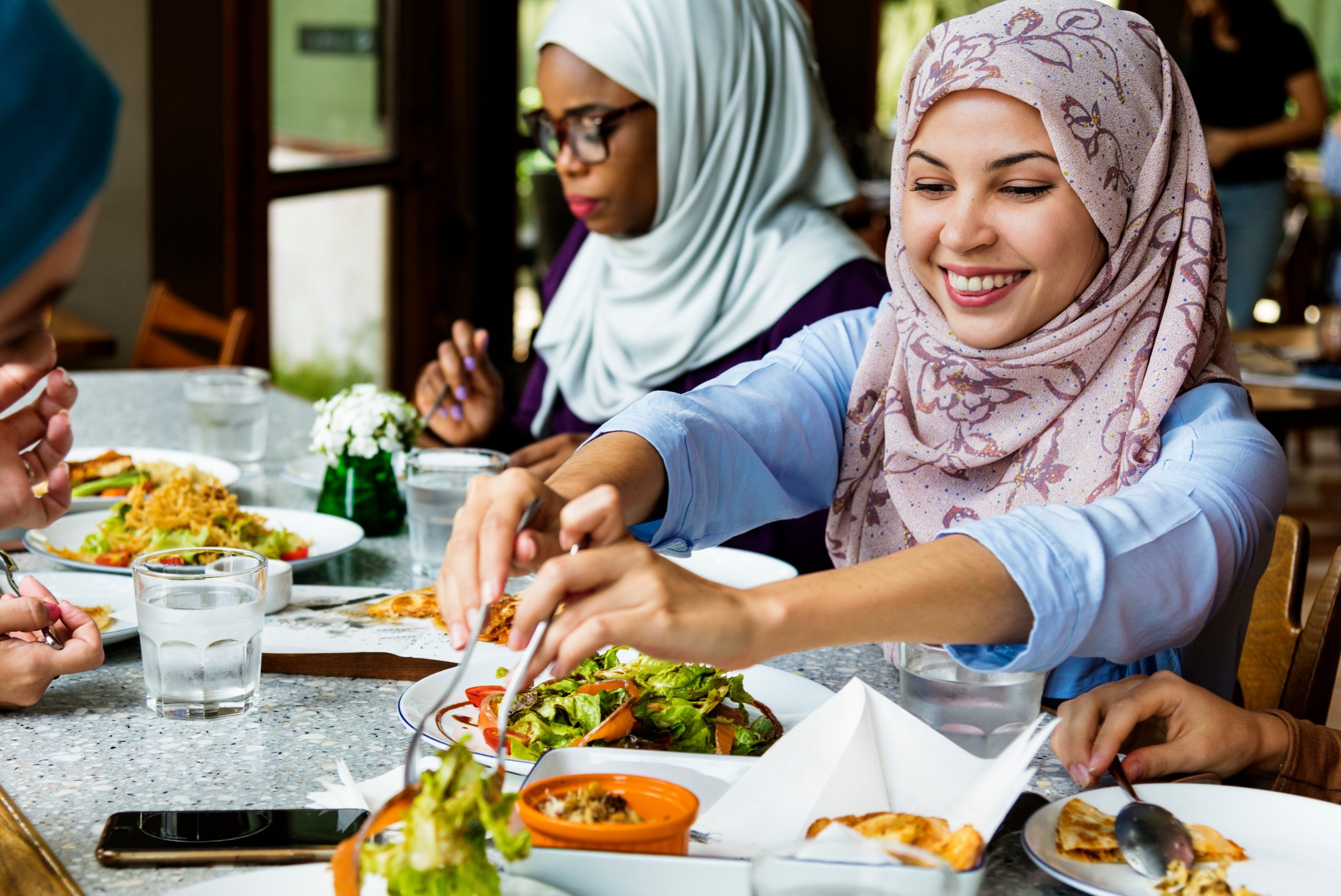
Ramadan is an important month of fasting, reflection and community for many patients across Western Sydney.
With 10.7% of Western Sydney residents identifying as Muslim, Islam is the second‑largest religion in our region, meaning a significant number of patients will be observing Ramadan and may require tailored clinical support during this period (1).
For GPs, Ramadan presents an opportunity to provide culturally informed, proactive care—especially for patients managing chronic conditions such as diabetes, cardiovascular disease, respiratory illness and mental health conditions.
How GPs Can Support Patients Observing Ramadan
1. Encourage a Pre‑Ramadan Health Review
A pre‑Ramadan consultation helps assess:
- Whether fasting is medically safe
- Required medication timing or dose adjustments
- Risks relating to dehydration, low blood glucose or sleep disruption
- Whether alternative spiritual practices may be advisable in higher‑risk cases
This provides reassurance and supports shared decision‑making aligned with both health needs and cultural values.
2. Provide Diabetes‑Specific Guidance
For patients with diabetes, fasting requires careful planning. Consider discussing:
- Blood glucose monitoring during fasting hours
- Adjusting insulin and oral hypoglycaemic medications
- Safe hydration strategies
- Clear instructions on when patients should break the fast for safety
- Risks of hypoglycaemia, hyperglycaemia or ketoacidosis
The Western Sydney Diabetes (WSD) Ramadan resource includes patient-friendly tips on nutrition, activity and monitoring.
3. Review Medication Timing Across All Conditions
Medication schedules may need to shift to align with suhoor (pre‑dawn) and iftar (sunset). This includes:
- Antihypertensives
- Diuretics
- Mental health medications
- Analgesics
- Chronic disease medications with food requirements
Careful adjustments can maintain therapeutic benefit while supporting religious observance.
4. Discuss Healthy Eating and Activity During Non‑Fasting Hours
WSD guidance encourages:
- Balanced meals at suhoor and iftar
- Reduced intake of deep‑fried, high‑sugar and high‑fat foods
- Incorporating low‑GI and fibre‑rich foods
- Gentle physical activity after iftar
GP reinforcement can help patients maintain energy and avoid weight gain or glycaemic fluctuation.
5. Support Mental and Emotional Wellbeing
Ramadan can be physically demanding, particularly for shift workers, carers, older adults and those experiencing stress or fatigue.
Encouraging good sleep hygiene, pacing, and reflective rest can help maintain wellbeing throughout the month.
6. Recognise the Cultural Context in Western Sydney
Western Sydney is one of Australia’s most culturally diverse regions, with a large, growing and vibrant Muslim community.
Understanding the cultural and spiritual significance of Ramadan—alongside family, community and social obligations—helps GPs provide more sensitive, connected and effective care.
Access the Western Sydney Diabetes Ramadan Resource
WentWest acknowledges and thanks WSD for its leadership in supporting culturally safe care for Muslim communities. The resource, Staying Healthy and Energised During Ramadan, offers practical guidance for both patients and clinicians and is available here: