

Over the past 100 years, heatwaves caused more deaths in Australia than any other natural hazard, yet it doesn’t take soaring temperatures to impact our health. Studies show that population mental health risk starts to increase in the low 20s, and that, on top of the physical risks of heat cramps, heat exhaustion and heat stroke, cases of insomnia, domestic violence and suicide all increase as temperatures rise. Health professionals have an important role in educating patients about the harms of heat and what can be done to keep safe.
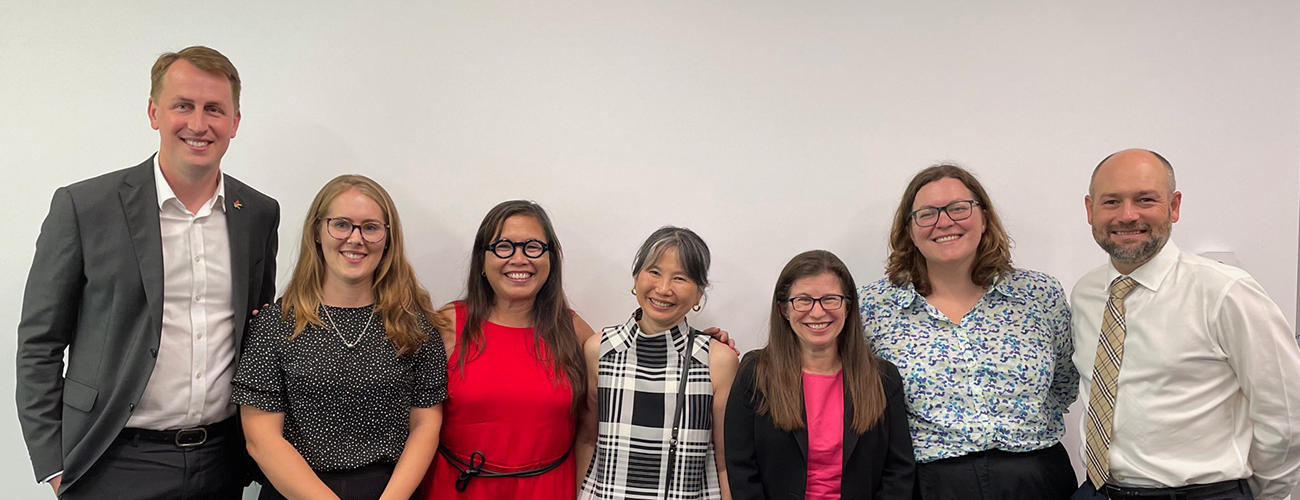
On 9 February 2023, Hills Doctors Association hosted the fifth annual BEAT the HEAT forum, sharing information on the impacts of heat with health professionals, politicians and academics, and showcasing models of improvement. Organised by Dr Kim Loo, and Co-Chaired by Dr Michael Bonning, President of the Australian Medical Association NSW, the expert panel of speakers included Professor Ollie Jay, Professor of Heat and Health and Director of the Heat and Health Research Incubator in the Faculty of Medicine and Health at The University of Sydney; Dr Lai Heng Foong, Emergency Physician Chair of Public health and Disasters Australasian College for Emergency Medicine; Dr Cybele Dey, Paediatrician and Child Psychiatrist at the Children’s Hospital Network; Kelly Gee, Policy and Projects Officer at Western Sydney Regional Organisation of Councils Ltd; and Emma Bacon, Executive Director and Founder of Sweltering Cities.
Who is Most Vulnerable to Heat?
Our adaptive capacity in reaction to heat stress changes depending on age and other co-morbidities. These factors can influence someone’s physiological ability to adapt and behavioural ability. Outdoor workers, pregnant women, young children, babies, isolated people, those aged over 65 years, people with a disability, and those with chronic diseases such as cardiovascular disease, diabetes, obesity, respiratory issues, and kidney failure, are all at high risk of heat stress.
Keeping Patients Safe
Heat can have physical, mental, financial and social impacts on community members, and early prevention is key to avoiding the worst effects. It is important that patients aged over 65 years and those with chronic health conditions have a plan with their GP and pharmacist for a heatwave.
Some easy prevention measures are:
- Drinking cold water
- Wearing lightweight clothes or wet clothes
- Taking a cold shower or immersing feet in cold water
- Ice towels
- Closing the blinds and curtains
- Reducing physical activity
- Staying indoors (and wear a hat if you go outside)
- Creating a cool room – use fans or an air conditioner
- Finding a cool place to visit if you can’t cool down at home
What Can My Practice Do?
The health care sector is responsible for 7% of Australia’s carbon emissions, which means that to improve patient health, more needs to be done to address the health of the planet simultaneously:
- Sustainability Quality Improvement Plan: Our Practice Development team encourages practices to consider sustainability as a development objective for their quality improvement plans. Those adopting greener policies observe the financial benefits and improvements to staff wellbeing and quality patient care from greater flexibility and streamlined processes
- Reduce the Environmental Impact in your Practice: RACGP offers some useful guidelines on improving environmental sustainability of your practice
- Create a Heatwave Plan for your staff
- Utilise the Heat Wave Toolkits for Providers from Climate Psychiatry Alliance
- Utilise the Turn Down the Heat resources from Western Sydney Regional Organisation of Councils Ltd
Additional Articles
- Heat and Health Research Incubator: University of Sydney research project on the health impacts of heat exposure across the human lifespan
- Heat Stress Scale Western Sydney: Pioneering heat stress scale being trialled in Western Sydney
- Cool Suburbs: Rating and assessment tool for building heat resilience in urban planning and development
- Sweltering Cities: Work with communities in Australia’s hot suburbs to campaign and advocate for more liveable, equitable and sustainable cities
BEAT the HEAT 2023 Forum
You can watch back the BEAT the HEAT 2023 forum on our Youtube channel and individual videos of the speakers below:
- Introduction and Welcome to Country
- Professor Ollie Jay
- Dr Lai Heng Foong
- Dr Cybele
- Kelly Gee
- Emma Bacon
Thursday 23 February 2023