

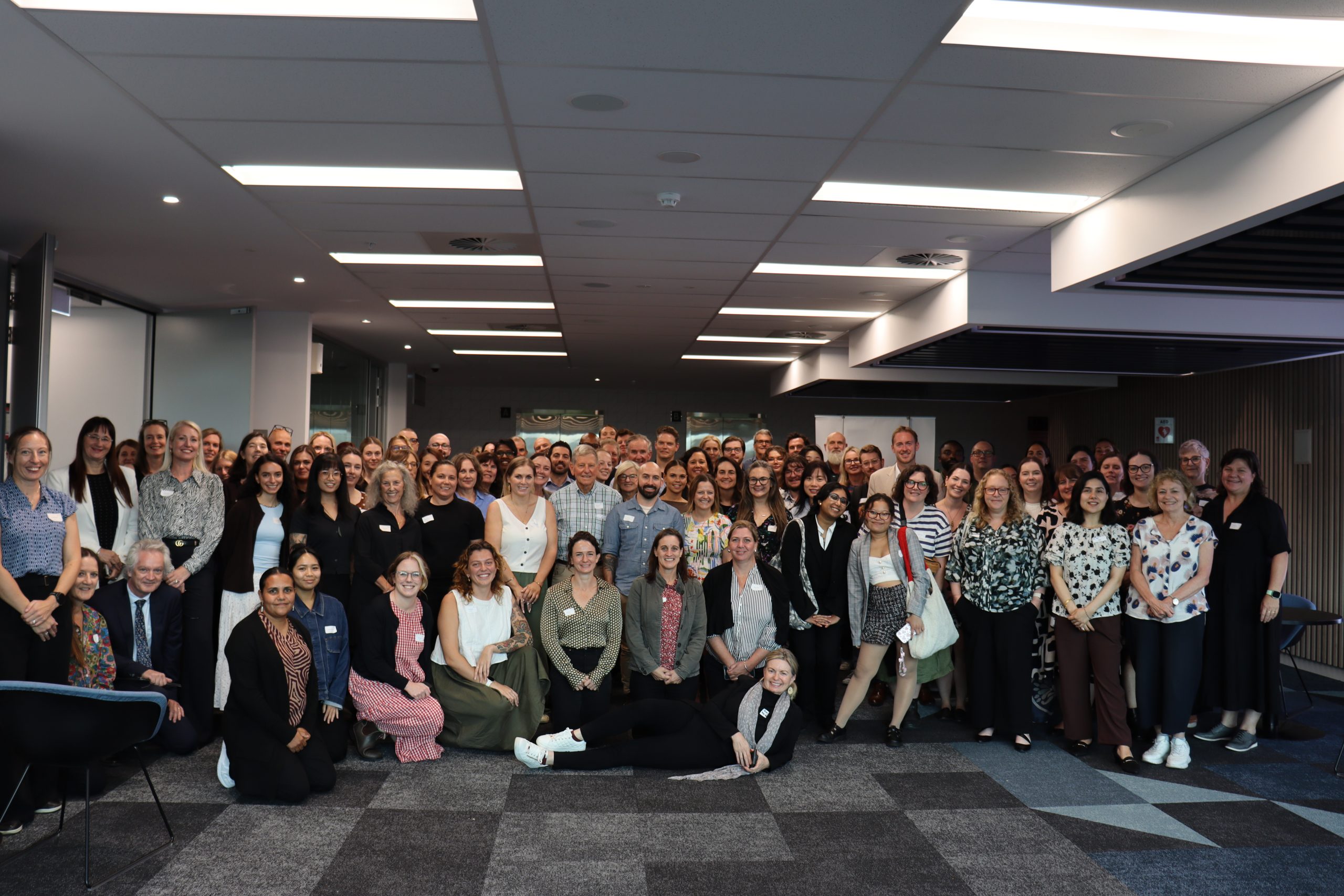
The future of early psychosis care for young people was the focus of the annual Australian Early Psychosis Program (AEPP) forum, held in Westmead earlier this month and supported by WentWest.
Demand for youth mental health and early psychosis services is rising sharply across Western Sydney, with headspace services reporting that presentations have doubled in some areas.
In just six months, between July and December 2025, 646 young people accessed the Early Psychosis Youth Service at headspace Parramatta and Mt Druitt, with over 33,000 sessions delivered. Demand is expected to continue increasing, highlighting the need for accessible specialist care and early intervention.
Hosted by Orygen, Australia’s leading youth mental health advocacy organisation, the forum brought together health clinicians, researchers and sector leaders from across the country. Discussions centred on how early psychosis services can evolve to better meet demand, with a strong emphasis on early intervention, transition of care and emerging national reform.
Executive Director of Orygen and leading psychiatrist, Professor Patrick McGorry AO, outlined key trends in early psychosis and shared insights into the next generation of services, including the Federal Government‑funded Youth Specialist Care Centres (YSCCs).
“Just think about yourself — if you have any other health problem and your GP isn’t able to manage it, you’re referred to a specialist. Yet in psychiatry, this is the right that people are most often denied,” Professor McGorry said.
“We need to value expertise and evidence‑based care, and create a platform that allows specialist services to deliver the support young people need.”
One of the forum’s key themes was the role of co‑design in strengthening early psychosis services, ensuring new models of care reflect clinical evidence while also responding to the lived experience of young people and families.
Professor Dr Roger Gurr, psychiatrist and recently retired Clinical Director of headspace Early Psychosis in Western Sydney, also spoke to WentWest about the important role of Primary Health Networks (PHNs) and the next phase of the Early Psychosis Program.
The forum concluded with an in‑person consultation, where participants explored how Youth Specialist Care Centres (YSCCs) could be implemented in practice. Discussions covered service specifications, regional planning, workforce needs, adaptability of the model and integration with existing early psychosis and community‑based services.
headspace: Innovation towards graduation
Supporting young people as they move beyond Early Intervention Psychosis Services (EIPS) was a focus area of the forum, with local innovation highlighting how early psychosis care can extend beyond discharge.
headspace Western Sydney and University of Sydney researchers, presented MyBRANCHES — a peer‑supported, self‑management app designed to support young people preparing to transition out of EIPS. The tool aims to strengthen continuity of care for young people after finishing early psychosis treatment.
Led by Associate Professor Alyssa Milton (Faculty of Medicine and Health, University of Sydney), alongside researcher Priya Vaughan, the project brought together young people with lived experience of early psychosis, peer support workers, clinicians, allied health professionals and family members.
This collaborative approach ensured the app was designed in direct response to the needs identified by those with experience of early psychosis care.
Simran, a Youth Peer Support Coach at headspace Western Sydney, played a vital role in the app’s development, contributing both professional expertise and lived experience.
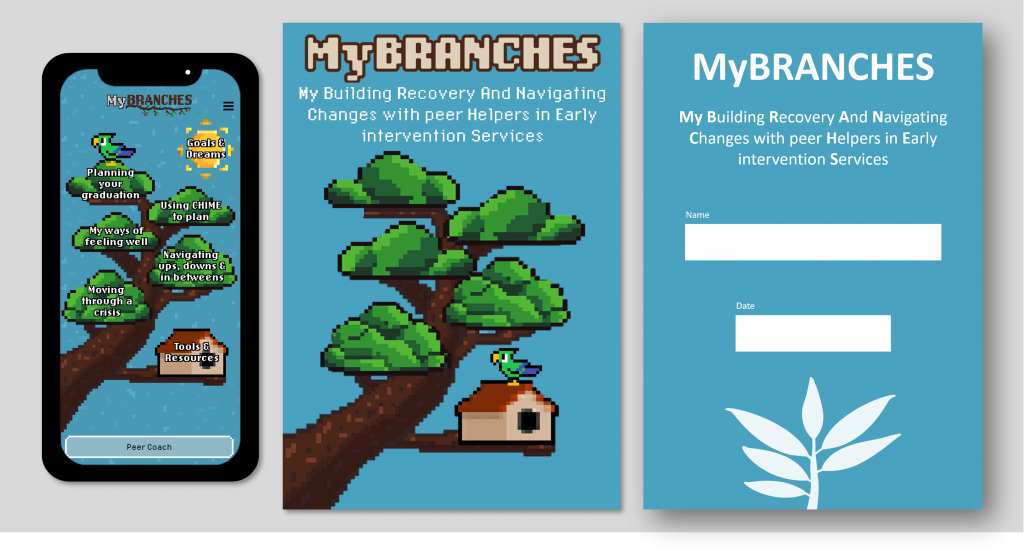
I personally enjoyed contributing to the copywriting aspect of the tool — from critiquing grammar, tone and pacing to identifying engagement barriers and avoiding stigmatising language. There are countless mental health apps available today, but the MyBRANCHES project stands out because it is research‑backed, co‑designed and peer‑led. For me, that’s where innovation truly lies. Innovation in mental health doesn’t just come from technology or research; it comes from ensuring lived experience meaningfully informs how services are designed and delivered.
Symphony, a Peer Support Worker at headspace Western Sydney, was also part of the team and reflected on her experience contributing to the project.
As a peer worker, I can see how much this tool will benefit young people who feel anxious about discharge. This project is the culmination of the hard work put in by Priya, Alyssa and the team. Having my voice heard in this space still makes me emotional. I look forward to young people using MyBRANCHES to feel more confident in their own strengths and supported through the later stages of their recovery journey.
The MyBRANCHES app will be trialled at headspace centres in Parramatta, Mount Druitt and Penrith, supporting young people across Western Sydney as they transition from early psychosis services into the next stage of care.
Read more on the mental health services in our area, including headspace here: Mental Health – WentWest